Darknet Markets 2025:
The dark web is part of the deep web but is built on darknets: overlay networks that sit on the internet but which can't be accessed without special tools or software like Tor. Tor is an anonymizing software tool that stands for The Onion Router — you can use the Tor network via Tor Browser.
| Darknet Market | Established | Total Listings | Link |
|---|---|---|---|
| Nexus Market | 2024 | 600+ | Onion Link |
| Abacus Market | 2022 | 100+ | Onion Link |
| Ares | 2025 | 100+ | Onion Link |
| Cocorico | 2023 | 110+ | Onion Link |
| BlackSprut | 2023 | 300+ | Onion Link |
| Mega | 2016 | 400+ | Onion Link |
Updated 2025-11-18
How Darknet Lists Help You Shop Safely
Darknet market lists serve as the primary directory for navigating the ecosystem of online platforms facilitating trade. Their fundamental purpose is to aggregate and present verified markets, enabling users to find safe darknet markets for secure shopping and vendor reviews. These lists function as dynamic databases that filter out inactive or fraudulent sites, directing traffic towards established and operational platforms.
The selection of a market is based on objective metrics compiled from user experiences. Lists display critical data points such as:
- Uptime statistics and recent login accessibility.
- Total vendor count and product variety.
- The implementation and reliability of the escrow system.
This information allows for a direct comparison of a market's operational security and economic activity. For vendor assessment, these lists provide gateways to vendor profiles, where a history of transaction feedback and detailed reviews offers a transparent record of reliability and product quality. The cumulative data on a darknet market list transforms the process of market selection from guesswork into an analytical procedure focused on security and efficiency.
How Darknet Markets Are Rated by Users and Sales
Market lists provide a crucial service by aggregating user feedback and sales data to create a transparent ranking system. The primary metrics for ranking a darknet market are its user rating and total sales volume. A high user rating is typically based on a combination of factors that users report on after completing transactions.
These factors include the market's interface usability, the speed of deposit and withdrawal processing, and the overall reliability of the escrow system. Markets with consistently high ratings indicate a history of satisfying their user base, which directly correlates with a safer trading environment.
Sales volume is another critical indicator of a market's health and legitimacy. A platform with a high and steady flow of transactions demonstrates strong vendor participation and user trust. High sales volumes often mean the market has a robust and active community, which contributes to more accurate and up-to-date vendor reviews.
When assessing a market, it is beneficial to examine the specific feedback left for vendors. This feedback system allows buyers to rate their purchase experience on several points:
- The quality of the product received compared to its description.
- The speed and discretion of the shipping process.
- The vendor's communication and professionalism.
This detailed feedback creates a reputation score for each vendor, making it easier for buyers to identify trustworthy sellers. Consequently, a darknet market that fosters a detailed and honest review system empowers users to make informed decisions, enhancing the security and efficiency of acquisitions for all parties involved.
Finding a Live and Busy Darknet Market
The primary function of a darknet market list is to provide real-time status updates on market availability. These lists act as a monitoring system, indicating whether a market is online and accessible or experiencing downtime. A market's presence on a list with a confirmed "online" status is the first indicator of its operational capacity.
Beyond simple uptime, lists assess a market's activity level. This is measured by tracking recent user registrations, vendor product listings, and forum discussions. A market with a consistently high number of new product listings and user posts demonstrates a vibrant and active community, which is essential for a dynamic trading environment. Conversely, a market that is online but shows little to no recent activity may be in decline or could be a potential risk.
To verify activity, users should consult multiple lists and examine:
- The last update timestamp for the market's status.
- User comments and reports regarding access and performance.
- Vendor migration patterns, as established vendors moving to a new market is a strong signal of its legitimacy and growth potential.
This continuous verification process ensures that participants are engaging with platforms that are not only reachable but also actively facilitating trade, thereby maximizing the efficiency and security of their transactions.

A Wide Selection of Quality Products on the Darknet
The variety of products available on darknet markets is a primary factor in their appeal, with listings covering a wide spectrum of consumer goods. These platforms function as specialized e-commerce sites where vendors offer everything from digital goods and software to physical items, with a significant portion of the economy centered on pharmaceutical and recreational substances. The ability to browse these extensive catalogs allows users to find specific items that match their requirements, comparing purity, quantity, and price points directly from different suppliers.
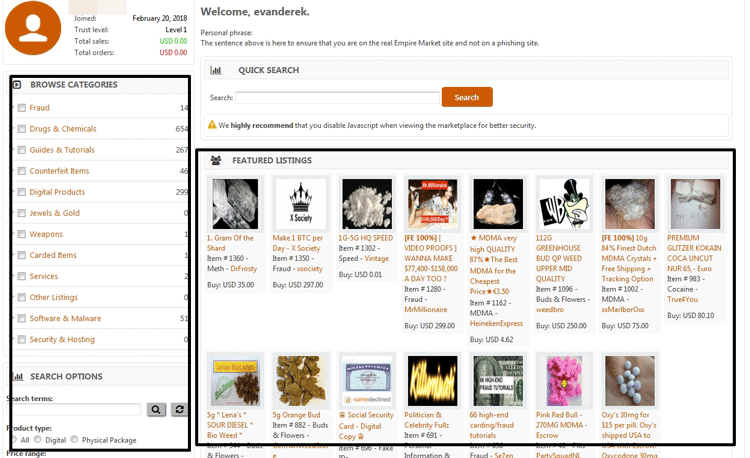
Product listings are typically organized into clear categories and subcategories, making navigation straightforward. Each product page provides detailed descriptions, including information on the substance's origin, intended effects, and recommended dosage. High-quality vendors often include photographic evidence of their products, which adds a layer of transparency and builds trust with potential buyers. This level of detail is crucial for making an informed purchasing decision and ensures the consumer receives exactly what they expect.
The feedback and review system is integral to assessing product quality. Previous buyers leave detailed comments and ratings on their purchases, which serve as a crowdsourced quality control mechanism. A product with a high number of positive reviews and a consistent sales history is generally a reliable indicator of vendor honesty and product authenticity. This system empowers the community to self-regulate and promotes a competitive environment where high standards are maintained.
Choosing Vendors with High Feedback Scores
The selection of a vendor is the most critical step in the darknet shopping process. A market's reputation is built directly upon the collective performance of its vendors, making user feedback the primary metric for evaluation. This system functions as a self-regulating mechanism where the community collectively vets the reliability of each seller.
Vendor profiles display a feedback score, typically as a percentage, which reflects their historical performance. A high score, often above 95, indicates consistent fulfillment of orders as described. Beyond the numerical score, the textual feedback provides qualitative data. Reviews detail the quality of the product, the speed of shipping, and the stealth of the packaging. Analyzing this information allows a buyer to assess if a vendor's operations align with their specific requirements for security and quality.
Escrow services are integral to this feedback loop. Funds are held by the market until the buyer confirms satisfactory receipt of the product. This prevents vendors from accepting payment without shipping items and incentivizes them to maintain high standards to receive payment and positive feedback. A vendor with a long history and thousands of completed transactions is generally a safer choice than a new vendor with minimal feedback, as their established record demonstrates reliability over time.

How Escrow Makes Buying on the Darknet Safe and Reliable
Escrow services are a fundamental component of secure transactions on darknet market lists. When a buyer selects a product, the cryptocurrency payment is held by the market's escrow system instead of being immediately released to the vendor. This creates a protected period during which the buyer can receive the order and verify its quality and quantity.
The funds are only transferred to the vendor after the buyer confirms successful delivery. This mechanism significantly reduces the risk of vendor exit scams, where a seller might accept payment but never ship the product. For honest vendors, escrow provides a guarantee of payment upon fulfilling their part of the agreement, fostering a trust-based economic environment. The system incentivizes high-quality service and reliable shipping, as vendor reputation and income depend directly on finalizing escrow releases.
How Cryptocurrency Keeps Your Darknet Purchases Private
The use of cryptocurrency is fundamental to the operational security of darknet commerce, providing a layer of financial anonymity that traditional payment systems cannot offer. Transactions are conducted primarily with privacy-focused coins like Monero (XMR), which obscure the sending and receiving addresses as well as the transaction amount, making the financial trail significantly more difficult to trace compared to transparent blockchains like Bitcoin. For buyers, this process begins with acquiring cryptocurrency from an exchange and then transferring it to a personal, non-custodial wallet. A critical intermediate step is the use of a mixing or tumbling service for coins like Bitcoin, which pools and redistributes funds to break the link between the source and destination addresses, or simply converting to Monero for its built-in privacy features. The final payment to the market's escrow system is made from this anonymized source, ensuring that the vendor only sees a transaction that cannot be easily linked back to the buyer's real-world identity. This financial obfuscation, combined with operational security measures like using the Tor browser, creates a robust framework for anonymous purchasing.

Finding a Good Market for Easy Shopping
Darknet market lists function as a primary tool for selecting a platform that facilitates commerce. The selection process is based on a set of verifiable metrics that indicate a market's operational health and reliability.
A fundamental step involves confirming the market's current status. Lists provide direct links and uptime monitors that show whether a site is online and accessible, preventing wasted effort on defunct platforms. This real-time verification is the first filter in the selection process.
Beyond simple accessibility, lists aggregate user-generated data to rank markets. This ranking is based on two critical factors:
- Total sales volume, which indicates economic activity and vendor presence.
- User feedback scores, which reflect collective satisfaction with transaction security and vendor honesty.
The analysis extends to the market's internal mechanisms. A robust escrow system is a non-negotiable feature for secure shopping. This system holds a buyer's cryptocurrency in reserve until the product is received and confirmed, directly protecting the buyer from fraudulent vendors. Lists often specify which markets offer this essential service.
Furthermore, these lists provide a gateway to evaluating individual vendors. Before committing to a purchase, a user can study a vendor's history, including:
- Their number of completed sales.
- Detailed feedback from previous buyers regarding product quality and shipping speed.
Ultimately, darknet market lists transform a potentially chaotic environment into a structured marketplace. They compile essential data on platform stability, economic activity, and security features, enabling a methodical approach to finding a market that supports secure and efficient trading.